ICOM IC-A25N Handheld NAV/COM Transceiver w/ Bluetooth – Open Box: Versatile Cockpit and Ground Communication
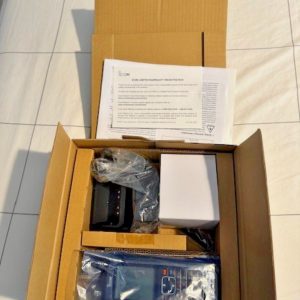
:::writingvariant="document" id="58314" ICOM IC-A25N Handheld NAV/COM Transceiver w/ Bluetooth – Open Box: Portable Aviation Radio The ICOM IC-A25N Handheld NAV/COM Transceiver w/ Bluetooth – Open Box combines user-friendly controls, portable convenience, aviation communication capability, navigation functions, and Bluetooth connectivity. A carefully inspected open-box package can offer the operational benefits of a premium handheld aviation radio while helping owners control equipment costs. A dependable ICOM IC-A25N Handheld NAV can become an important part of a pilot’s flight bag by providing portable communication capability whenever installed aircraft equipment is unavailable. An ICOM IC-A25N Aviation Radio can support communication between pilots, air traffic services, flight instructors, ground personnel, and other aviation users where authorized. The compact ICOM IC-A25N Handheld Radio may be especially useful for pilots who operate multiple aircraft or frequently travel between airports and training locations. A Handheld NAV/COM Aviation Transceiver can reduce the need to carry separate portable communication and navigation receivers for certain aviation tasks. Whether pilots need a Handheld Aviation Radio, Aviation NAV/COM Radio, Pilot Handheld Radio, or portable Aircraft Communication Radio, the complete package should be inspected and tested. As an Aviation Communication Device, the radio can provide portable support for cockpit, training, emergency, and ground environments.
Why Pilots Choose the ICOM IC-A25N Handheld Radio
A multifunction handheld radio can provide useful redundancy and flexibility for pilots who regularly operate in different aircraft or environments. The IC-A25N may appeal to users who prioritize strong construction, straightforward operation, and access to aviation functions away from the instrument panel. A handheld radio can provide valuable support, but performance may depend on antenna position, aircraft structure, terrain, distance, interference, battery condition, and operating environment. A backup radio provides greater value when the pilot has already practiced frequency selection, volume adjustment, navigation functions, Bluetooth setup, and battery management.Using the ICOM IC-A25N Handheld NAV
A handheld NAV radio can be valuable to flight instructors who demonstrate aviation communication and navigation concepts during training. Flight schools can use portable radios to support classroom discussions, ramp communication, operational demonstrations, and backup planning. Navigation features should support rather than replace required pilot preparation, approved navigation equipment, current charts, and appropriate operational judgment. Pilots should avoid burying backup equipment under baggage where it cannot be reached quickly during flight.ICOM IC-A25N Aviation Radio for Pilots
The handheld unit can support operations during aircraft maintenance, ramp movement, hangar work, or other situations where installed radios are not easily accessible. Aircraft sales organizations may keep handheld radios available during demonstrations, repositioning, delivery preparation, and customer familiarization. Current photographs should show the radio body, display, controls, connectors, antenna, battery, charger, packaging, and included components. The best purchase decision combines condition evidence, package completeness, seller credibility, secure payment, and documented delivery terms.ICOM IC-A25N Handheld Radio Portability
A compact radio can remain in a flight bag alongside headsets, charts, flashlights, batteries, and other essential pilot equipment. The antenna should be protected from bending or crushing while the radio is transported with other equipment. Users can review the interface in a quiet environment rather than learning controls during engine operation or busy airport activity. Proper storage temperature and periodic charging can help preserve long-term battery and equipment performance.Using a Handheld NAV/COM Aviation Transceiver
The device may be especially valuable to pilots who operate older aircraft, rented aircraft, or airplanes with limited redundancy. Users should consider how frequently the radio will be carried, whether Bluetooth is required, and which accessories are needed for their aircraft or headset. Stored frequencies and settings should be reviewed periodically so outdated information does not create confusion. Any abnormal heat, charging issue, intermittent audio, damaged control, loose connector, or battery swelling should be investigated before further operation.Handheld Aviation Radio Benefits
General aviation users may carry a portable radio during training flights, cross-country operations, maintenance, aircraft repositioning, and airport events. The radio can also provide useful redundancy when an installed communication system experiences an unexpected problem. A handheld radio should be evaluated in the aircraft and environment where it will normally be used. Pilots must use aviation frequencies responsibly and comply with applicable licensing, authorization, frequency, and communication requirements.Using an Aviation NAV/COM Radio
An Aviation NAV/COM Radio gives pilots portable access to communication and navigation-support features that may complement installed cockpit avionics. Menu familiarity, memory organization, display interpretation, audio control, and Bluetooth setup can improve efficient operation. Pilots should maintain current charts, navigation planning, weather awareness, and suitable avionics for the flight being conducted. Volume and squelch should be adjusted appropriately while avoiding unnecessary distraction.Choosing a Pilot Handheld Radio
A Pilot Handheld Radio can provide useful communication redundancy during cross-country flights, aircraft delivery, rental operations, training, and travel to unfamiliar airports. Pilots should decide before departure where the radio will be located and how it will be retrieved during an abnormal situation. Emergency equipment is more useful when essential controls can be operated confidently without lengthy manual review. Pilots may consider carrying an appropriate backup power option when supported by the equipment and mission requirements.Maintaining an Aircraft Communication Radio
The IC-A25N can become part of an organized communication strategy for private pilots and aviation businesses. Professional communication practices improve the effectiveness of both installed and handheld radios. Users should establish realistic expectations by testing the radio in normal conditions rather than assuming identical range to panel equipment. Users should stop relying on the unit if it displays intermittent function or unexplained shutdowns until the concern is resolved.Using a Portable Aviation Transceiver
A compact transceiver may remain available during electrical shutdowns, maintenance events, panel upgrades, or aircraft storage. A protective case can separate the radio from tools, keys, metal objects, liquids, and heavy equipment inside a flight bag. Bluetooth operation should be tested in advance because pairing status, battery condition, compatibility, audio routing, and device settings can influence performance. The radio should remain usable even when a paired device is unavailable or the Bluetooth connection cannot be restored.Choosing an Aviation Communication Device
Commercial value is strongest when the radio includes the accessories, battery capability, and support required for actual use. The seller should explain the product’s status and disclose any evidence of use, missing materials, registration, or cosmetic handling. Aviation businesses should establish procedures for cleaning shared microphones, headsets, controls, and surfaces where appropriate. A radio configured for one read more headset or training environment may need adjustment before being issued for another application.Choosing a Handheld Aircraft Radio
A Handheld Aircraft Radio can provide useful communication capability both inside the cockpit and around the aircraft during maintenance, preflight, towing, fueling, or operational preparation. Using the radio on the ground can preserve aircraft battery power and reduce the need to energize installed avionics solely for monitoring or coordination. A planned storage position supports fast retrieval while protecting the radio and aircraft interior. Ramp and maintenance environments can expose portable electronics to contaminants that are less common in normal indoor storage.Using an Aviation Navigation Radio
The aviation-focused interface is intended to support pilots who need quick access to practical features in a compact format. Students should receive appropriate instruction so the device supports learning rather than creating misunderstanding or distraction. Pilots remain responsible for route planning, weather evaluation, airspace awareness, fuel management, and safe aircraft control. Regular checks should confirm that stored information, settings, battery status, and display performance remain suitable for use.ICOM Pilot Radio Applications
The IC-A25N provides a combination of communication, navigation support, Bluetooth connectivity, and portable power suitable for varied aviation roles. An open-box unit may have excellent value, but the buyer should verify the package rather than relying solely on the model name. The device should support the pilot’s normal workflow rather than requiring accessories or procedures that are inconvenient or incompatible. Once acquired, the radio should be labeled, documented, configured, charged, tested, and stored in an accessible location.Maintaining an Emergency Aviation Radio
An Emergency Aviation Radio can provide an additional communication option when installed aircraft equipment becomes unavailable because of electrical, equipment, or operational problems. A written quick-reference guide may help, but it should remain simple enough to use without creating distraction. Redundancy is strongest when the user has more than one practical method of hearing and transmitting with the device. Preparedness transforms an Emergency Aviation Radio from a stored accessory into a meaningful backup communication tool.Maintaining a Backup Aircraft Radio
The IC-A25N offers portable communication and navigation-oriented functions that can support a layered aviation equipment strategy. Stored batteries can lose capacity, accessories can become misplaced, settings can change, and physical damage may go unnoticed. Each audio method should be tested in advance under realistic cockpit noise conditions. Aviate, navigate, and communicate priorities remain essential whenever communication equipment problems occur.Inspecting an Open-Box ICOM IC-A25N
A careful physical review helps determine whether the product condition matches the seller’s open-box description. The package should be compared with the seller’s inventory to confirm the radio, battery, antenna, charger, adapters, clip, documentation, packaging, and other included accessories. Navigation and communication menus should respond normally without freezing, unexpected shutdowns, or intermittent controls. The buyer should inspect the radio promptly after delivery and report any missing items, damage, or functional concerns according to the agreed terms.Maintenance and Long-Term Radio Care
A handheld aviation radio can provide many years of useful service when it is protected from impact, moisture, heat, contamination, and careless storage. Reliable readiness comes from planned inspection, charging, practice, and responsible storage.- Check for cracks, loose parts, damaged buttons, display concerns, weak battery performance, antenna damage, charging problems, and missing accessories.
- Verify frequency settings, memory organization, Bluetooth pairing, audio routing, volume, squelch, navigation functions, and battery status during preflight preparation.
- Protect the equipment from extreme temperature, direct sunlight, moisture, fuel, oil, cleaning chemicals, heavy tools, and accidental impact.